The ultimate cheat sheet on ecology fits the whole subject on one page. Ecology is the study of how living things interact with each other and with their physical environment. Learn the levels of organization, how energy flows, how matter cycles, and the key terms below, and you have the core of any intro ecology course.
Last updated: October 2026 · How we researched this: we checked definitions and cycle descriptions against educational pages from NOAA, the USGS Water Science School and National Geographic Education, and compared them with standard intro-biology course outlines.
Key takeaways
- Energy flows one way through an ecosystem (sun → producers → consumers → heat). Matter cycles again and again.
- Only about 10% of energy passes from one trophic level to the next, which is why food chains are short.
- The four cycles to know are water, carbon, nitrogen and phosphorus.
- Population size is limited by carrying capacity and limiting factors.
- Most exam questions test vocabulary, so learn the terms table by heart.
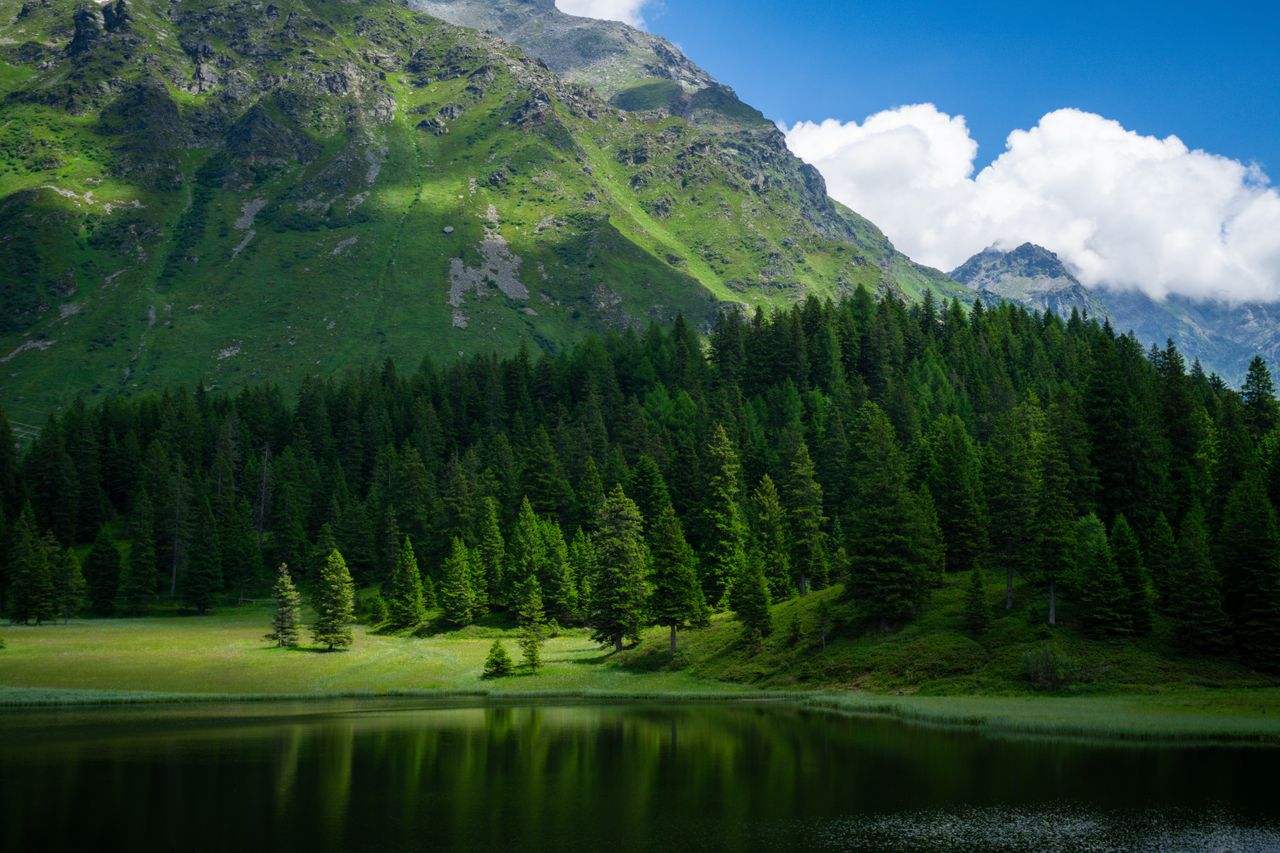
The ultimate cheat sheet on ecology: what ecology means
Ecology looks at relationships: between organisms, and between organisms and their surroundings. The living parts of an environment are biotic factors (plants, animals, fungi, bacteria). The non-living parts are abiotic factors (sunlight, temperature, water, soil, pH).
Ecology is not the same as environmentalism. Ecology is a science that measures and explains. Environmentalism is a movement that uses that science to argue for protection.
Levels of organization in ecology
Ecologists work at six levels, from small to large. A simple memory trick: “Old People Count Every Bird Bravely“.
- Organism: one individual, such as a single red fox.
- Population: all foxes of one species in one area.
- Community: all the populations of different species living together.
- Ecosystem: the community plus its abiotic factors (see National Geographic’s ecosystem overview).
- Biome: a large region with a similar climate and vegetation, like tundra or tropical rainforest.
- Biosphere: every ecosystem on Earth combined.
Energy flow: food chains, food webs and the 10% rule
Almost all energy in ecosystems starts as sunlight. Producers (autotrophs) capture it through photosynthesis. Consumers (heterotrophs) get energy by eating other organisms.
- Primary consumers are herbivores that eat producers.
- Secondary consumers eat herbivores.
- Tertiary consumers eat secondary consumers.
- Decomposers (fungi, bacteria) break down dead matter and return nutrients to the soil.
A food chain is one straight path of energy. A food web shows all the overlapping chains in an ecosystem. Each step is a trophic level.
The 10% rule, worked out
On average only about 10% of the energy at one level is stored in the next. The rest is used for life processes or lost as heat. This rule of thumb explains why there are few top predators.
| Trophic level | Example | Energy available (starting at 10,000 units) |
|---|---|---|
| Producers | Grass | 10,000 |
| Primary consumers | Grasshopper | 1,000 |
| Secondary consumers | Frog | 100 |
| Tertiary consumers | Snake | 10 |
| Quaternary consumers | Hawk | 1 |
Biogeochemical cycles cheat sheet
Unlike energy, matter is recycled. These four cycles come up in nearly every ecology test.
| Cycle | Main processes | Key reservoirs | Human impact |
|---|---|---|---|
| Water | Evaporation, transpiration, condensation, precipitation, runoff, infiltration | Oceans, ice, groundwater | Dams, irrigation, groundwater pumping |
| Carbon | Photosynthesis, respiration, decomposition, combustion | Oceans, rocks, fossil fuels, atmosphere | Burning fossil fuels, deforestation |
| Nitrogen | Fixation, nitrification, assimilation, ammonification, denitrification | Atmosphere (about 78% N2), soil | Fertilizer runoff, algal blooms |
| Phosphorus | Weathering of rock, uptake, decomposition, sedimentation | Rocks and sediments (no gas phase) | Fertilizer and detergent runoff |
For deeper reading, the USGS water cycle page and NOAA’s carbon cycle resources are clear and free.
Population ecology: growth and carrying capacity
- Exponential growth (J-curve): a population grows faster and faster when resources are unlimited.
- Logistic growth (S-curve): growth slows and levels off at the carrying capacity.
- Carrying capacity (K): the largest population an environment can support long term.
- Density-dependent factors: competition, disease, predation. They hit harder in crowded populations.
- Density-independent factors: floods, fires, droughts. They affect a population no matter its size.
Species interactions you need to know
| Interaction | Species A | Species B | Example |
|---|---|---|---|
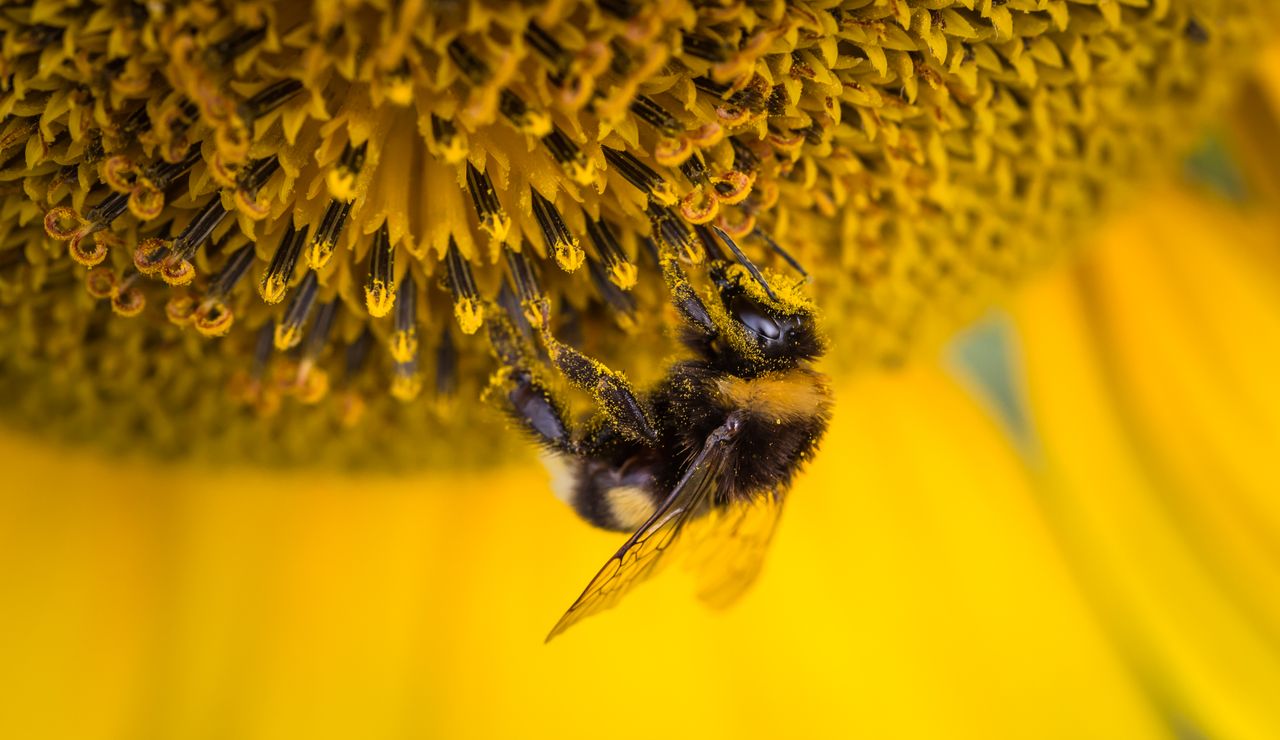
| Mutualism | + | + | Bees and flowers |
| Commensalism | + | 0 | Barnacles on a whale |
| Parasitism | + | − | Tick on a dog |
| Predation | + | − | Lion and zebra |
| Competition | − | − | Two plants sharing light |
Ecology key terms glossary
- Habitat: where an organism lives. Niche: its role and how it uses resources there.
- Keystone species: a species with an outsized effect on its ecosystem, such as sea otters in kelp forests.
- Biodiversity: the variety of genes, species and ecosystems.
- Primary succession: life colonizes bare rock (after a lava flow). Secondary succession: recovery where soil remains (after a fire).
- Pioneer species: the first colonizers, often lichens and mosses.
- Biomagnification: toxins become more concentrated higher up the food chain.
- Eutrophication: excess nutrients cause algal blooms and low oxygen in water.
Common mistakes on ecology exams (checklist)
- Saying energy “cycles”. It flows; only matter cycles.
- Mixing up habitat (address) and niche (job).
- Forgetting decomposers in a food web question.
- Calling nitrogen fixation something plants do alone. Bacteria do the fixing.
- Giving the phosphorus cycle an atmospheric stage. It has no significant gas phase.
If you are studying while building an online side income, our guide to content writing jobs shows how science students turn subject knowledge into paid writing.
Related guides
- Online jobs for students: 15 legit options to earn while you study
- Online jobs from home for students, from tutoring to research studies
- Online jobs without investment from home for students
FAQ: ecology cheat sheet questions
What are the 5 main levels of ecology?
The classic five are organism, population, community, ecosystem and biosphere. Many textbooks add biome between ecosystem and biosphere, making six.
What is the 10% rule in ecology?
It is a rule of thumb that only about 10% of the energy at one trophic level is passed to the next. The rest is used for metabolism or lost as heat, which limits how long food chains can be.
What is the difference between biotic and abiotic factors?
Biotic factors are living parts of an ecosystem, such as plants, animals and microbes. Abiotic factors are non-living parts, such as sunlight, water, temperature and soil.
Why does energy flow but matter cycle?
Energy is lost as heat at every step and cannot be reused by organisms, so ecosystems need a constant input from the sun. Atoms like carbon and nitrogen are not used up, so decomposers and physical processes return them to be used again.
Conclusion
This ultimate cheat sheet on ecology boils down to three ideas: energy flows, matter cycles, and populations are limited by their environment. Learn the levels, the 10% rule, the four cycles and the glossary, and you can handle most ecology questions with confidence.