The best historical cities to visit on your Mediterranean cruise are Rome, Athens, Dubrovnik, Istanbul, Ephesus (from Kuşadası), Valletta, Florence, Rhodes and Kotor. Each has a UNESCO World Heritage site within reach of the port. The real trick is matching each city to the time you actually get ashore.
Last updated: October 2026 · How we researched this: we checked each site’s entry on the UNESCO World Heritage List, reviewed current port rules for Venice, Dubrovnik and Santorini in recent travel reporting, and compared port-to-site distances.
Key takeaways
- Walk-off ports (Dubrovnik, Valletta, Rhodes, Kotor) give you the most history per hour.
- Far-away ports (Civitavecchia for Rome, Livorno for Florence) eat 3 to 4 hours of your day in transfers.
- Big ships no longer sail into central Venice, and Venice charges day visitors an access fee on set days.
- Pre-book timed tickets for the Colosseum, the Acropolis and the Uffizi.
- Always plan to be back aboard at least an hour before all-aboard time.
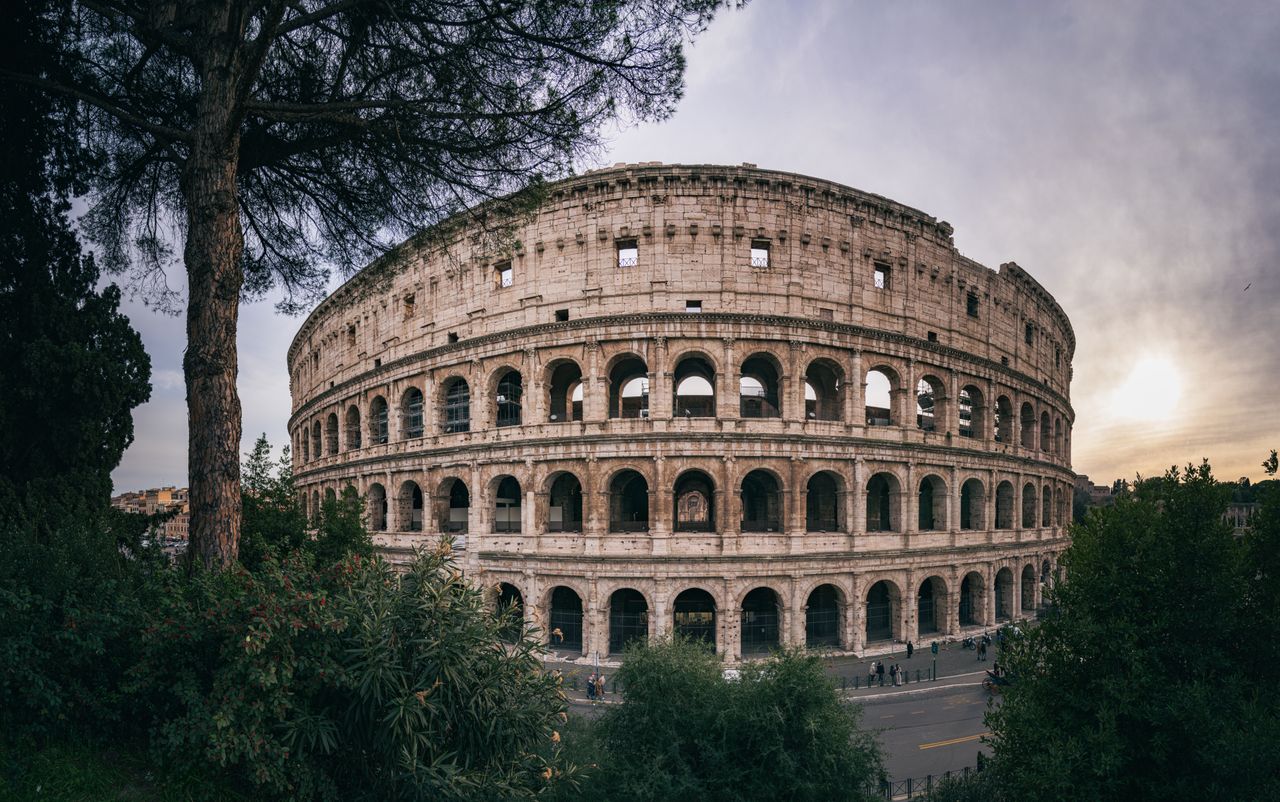
The best historical cities to visit on your Mediterranean cruise at a glance
This table ranks cities by how much history you can see in a typical 8 to 10 hour port day. Transfer times are approximate and depend on traffic.
| City | Cruise port | Getting to the old town | Must-see UNESCO site | DIY or excursion? |
|---|---|---|---|---|
| Dubrovnik, Croatia | Gruž | Bus or taxi, about 15 min | Old City walls | Easy DIY |
| Valletta, Malta | Grand Harbour | Walk or lift, 10 to 15 min | City of Valletta | Easy DIY |
| Rhodes, Greece | Rhodes port | Walk, 5 to 10 min | Medieval City of Rhodes | Easy DIY |
| Kotor, Montenegro | Kotor | Walk, under 5 min | Old town and fortifications | Easy DIY |
| Istanbul, Türkiye | Galataport | Tram or walk, about 20 to 30 min | Hagia Sophia, Topkapı | DIY with planning |
| Athens, Greece | Piraeus | Metro or taxi, 30 to 45 min | Acropolis | DIY with planning |
| Ephesus, Türkiye | Kuşadası | Taxi or tour, about 25 min | Ancient Ephesus | Either |
| Rome, Italy | Civitavecchia | Train, about 1 to 1.5 hours | Colosseum, Roman Forum | Excursion if timing is tight |
| Florence, Italy | Livorno | Train or coach, about 1.5 hours | Historic Centre of Florence | Excursion if timing is tight |
Rome: the Eternal City from Civitavecchia
Rome’s Historic Centre has been on the UNESCO list since 1980. In one day, focus on one cluster: the Colosseum, Roman Forum and Palatine Hill, or the Vatican Museums and St Peter’s.
Port tip: regional trains run from Civitavecchia to Roma San Pietro and Roma Termini. Check the last train that gets you back in time, not just the first one out.
Athens: the Acropolis from Piraeus
The Acropolis and the Parthenon are the core of any Athens day. Add the Acropolis Museum and a walk through the Plaka district below it.
Port tip: go up the Acropolis early. Summer heat and midday crowds from several ships make late morning the hardest time to visit.
Dubrovnik: walls and limits
The Old City of Dubrovnik was inscribed by UNESCO in 1979. Walking the full circuit of the city walls takes most visitors about 1.5 to 2 hours.
Port tip: Dubrovnik has limited cruise calls since 2019, generally to two ships at the main port plus one near the old town. That helps, but mornings are still busy, so walk the walls first.
Istanbul and Ephesus: two empires in one cruise
In Istanbul, the Historic Areas cover Hagia Sophia, the Blue Mosque, Topkapı Palace and the Basilica Cistern. Remember that mosques require modest dress and close to visitors at prayer times.
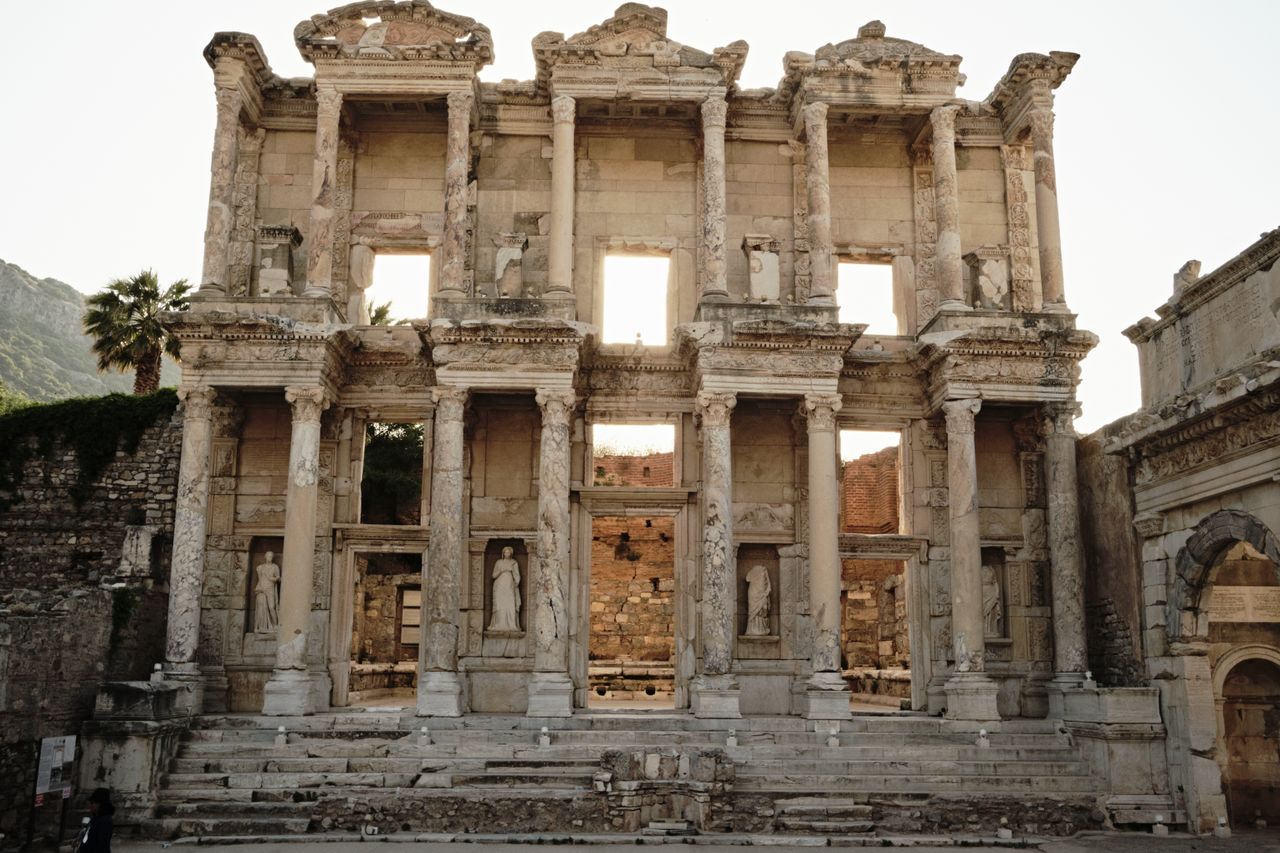
From Kuşadası you reach Ephesus, a UNESCO site since 2015. Its Library of Celsus and Great Theatre are among the best-preserved Roman ruins in the Mediterranean. Bring water and a hat: there is little shade.
Small historic ports you can walk: Valletta, Rhodes and Kotor
- Valletta, Malta: a whole fortified capital built by the Knights of St John. See St John’s Co-Cathedral and the Upper Barrakka Gardens.
- Rhodes, Greece: the Palace of the Grand Master and the Street of the Knights sit inside one of Europe’s best-kept medieval walled towns.
- Kotor, Montenegro: a Venetian-era old town at the foot of steep fortifications. The climb to the San Giovanni fortress is hard work in summer heat.
What about Venice, Florence and Santorini?
- Venice: since August 2021, ships over 25,000 gross tonnes are barred from the Giudecca Canal. Larger ships use Marghera or other Adriatic ports such as Trieste. In 2026 Venice again charges day-trippers an access fee of €5 to €10 on about 60 set days, mostly spring and early summer weekends.
- Florence: from Livorno you can do Florence or Pisa well, not both. Book the Uffizi or Accademia in advance.
- Santorini: beautiful but more scenic than historic. Akrotiri is the history stop. Greece now charges a cruise passenger landing fee on the island, highest in peak season.
Port-day planning checklist
- Check the exact docking port (Civitavecchia is not Rome; Piraeus is not central Athens).
- Work back from all-aboard time and leave a 60-minute buffer.
- Book timed-entry tickets for major sites at least a few weeks ahead.
- Carry your cruise card and a photo ID, plus some local cash for buses.
- Check site closing days (many museums close one day a week).
- If transfers exceed 90 minutes each way, consider a ship excursion: the ship waits for its own tours.
Who should skip DIY: travelers with mobility issues, families with small kids on hot days, and anyone on a port day shorter than 8 hours at Civitavecchia or Livorno.
Running a travel blog about trips like this? Our guides on creating a digital marketing strategy and content writing jobs can help you turn it into income.
Related guides
- Make money writing online: 8 ways to get paid for travel stories
- Make money while you sleep with passive income from a travel blog
- YouTube earnings list: what travel vloggers and YouTubers earn
FAQ: historical cities on a Mediterranean cruise
Which Mediterranean cruise port is best for history?
Rome and Athens have the most famous ancient sites, but both need a transfer from the port. For history you can reach on foot, Dubrovnik, Valletta, Rhodes and Kotor are the easiest.
Can you see Rome in one day from a cruise?
Yes, but only the highlights. The train from Civitavecchia takes about 1 to 1.5 hours each way, so pick one area such as the Colosseum and Forum or the Vatican.
Do cruise ships still go to Venice?
Large cruise ships have been banned from the Giudecca Canal and the historic lagoon since August 2021. Big ships dock at Marghera or nearby ports like Trieste, while small ships can still get closer.
Is it better to book a ship excursion or explore on your own?
Explore on your own in walkable ports, where it is cheaper and more flexible. Book a ship excursion when the site is far from the port, because the ship will wait if an official tour runs late.
Conclusion
The best historical cities to visit on your Mediterranean cruise combine great sites with easy access. Use the walkable ports for relaxed DIY days, save your energy and budget for Rome or Florence, and always protect your all-aboard time.